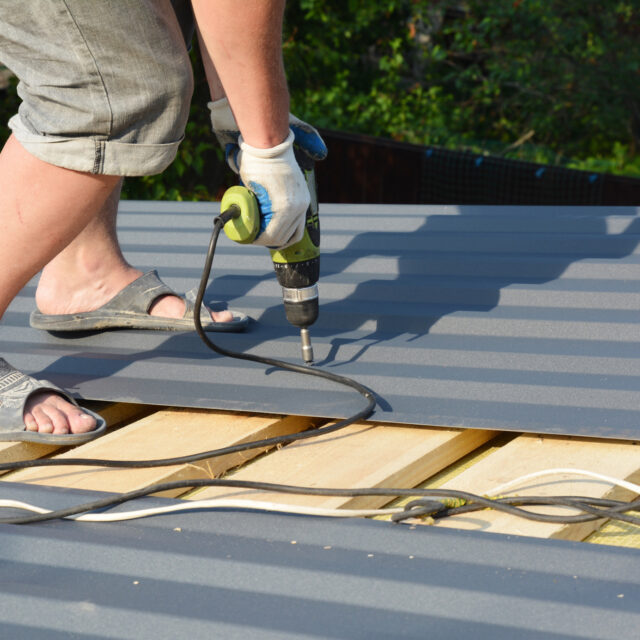


When planning roofing or wall cladding for agricultural, commercial, or industrial buildings, the choice between box profile sheets and insulated panels directly affects your project’s performance, running costs, and final look. Box profile roofing sheets are typically single-skin metal sheets formed in distinctive box-like ribs, while insulated panels are composite products constructed from two metal facings enclosing a rigid insulating core such as PIR. The main difference: box profile sheets are valued for their simplicity and cost-effectiveness, whereas insulated panels deliver measurable gains in insulation, comfort, and energy efficiency. Below, we clarify which option matches your needs, comparing their benefits, real-world performance, and long-term value.
How Box Profile Sheets and Insulated Panels Work
Box profile sheets are rigid, corrugated steel sheets often chosen to cover roofs and walls where cost and basic weather protection matter most. Their box-shaped ribs give structural strength and allow simple overlapping installation. Insulated panels, by contrast, are designed as sandwich panels: a layer of high-performance PIR foam insulation is securely bonded between two steel sheets. These panels are engineered to combine weatherproofing, insulation, and a tidy internal finish, all in a single product.
Key Benefits of Each System
Box profile sheets are widely used for barns, factories, garages, and sheds, especially when insulation is a lower priority. Their strengths include low upfront cost, rapid availability, and straightforward installation that suits budget-driven projects or dry storage applications.
Insulated panels take things further. These deliver:
- Reliable thermal insulation: reducing heat loss and regulating internal temperatures.
- Fast, single-layer fitting: weatherproofing, finishing, and insulation in one.
- Improved condensation control: helping maintain dry, usable spaces.
- Clean, attractive interiors: the inner steel face creates a low-maintenance ceiling or wall without extra lining.
Thermal and Moisture Performance: Insulated Panels in Detail
While box profile sheets can keep the rain out, they cannot control internal temperature or moisture on their own. Any building that needs thermal stability, be it a busy workshop, food processing unit, or livestock shelter, benefits from the added value of insulated panels. Their insulating PIR core helps keep spaces warmer in winter and cooler in summer, cutting energy bills and improving working conditions.
When it comes to condensation, insulated panels offer a significant reduction by keeping internal surfaces above dew point temperatures. Metal box profile sheets alone, installed without anti-condensation membranes, are highly susceptible to drips on cold days or during temperature swings.
Real Use Cases: Where Each Option Fits
You will see box profile sheets in service when raw function trumps refinement, for instance, cladding farm sheds, budget machine stores, or temporary outbuildings. They work where temperature control is unimportant and quick weather protection is enough.
Insulated panels come into their own for workshops and depots needing stable, comfortable temperatures; food-related buildings where hygiene and temperature matter; garden rooms, offices, and retail units seeking year-round usability; agricultural buildings for animal welfare or protected crop storage; and projects where heat loss, condensation, or interior finish are priorities.
Comparing Installation Methods and Site Impact
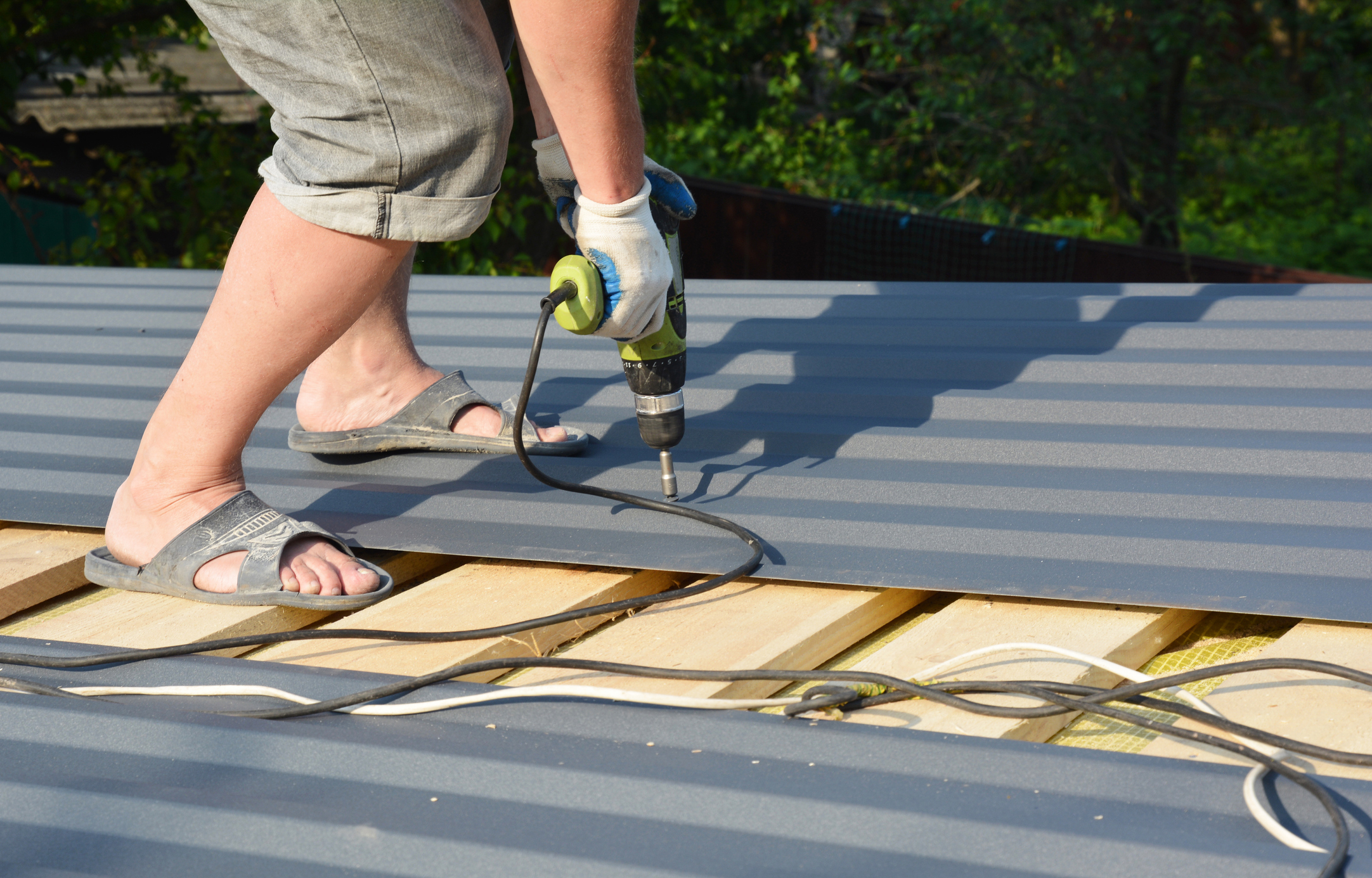
Fitting box profile sheets tends to be simple and quick, needing just a modest structure, roof fixings, and sometimes anti-condensation felt or a separate liner. Installers must be aware that, for insulation, a second layer or system is required, bringing more complexity if conditions change later.
Insulated panels, such as the PIR sandwich panels supplied by Docherty Roofing & Cladding Ltd, arrive ready to fit with both roofs and walls in mind. Their tongue-and-groove edges and precise factory finishes allow for rapid, secure installation, often reducing building time and minimising site disruption. The internal face is already finished, which also means you avoid extra costs for ceilings or wall linings.
Cost vs Value: Short-Term Save or Long-Term Gain?
On price alone, box profile sheets can look tempting and are often selected for budget builds or where insulation is not required. Yet, as energy prices rise and expectations around building performance grow, insulated panels increasingly pay their way, particularly in the following ways:
Running costs: Insulated panels reduce the need for heating or cooling, shrinking ongoing bills for many years. Asset value: Properties fitted with insulated panels are more comfortable and easier to keep dry, widening their usability and appeal to future buyers or tenants. Maintenance: Their robust construction gives a long service life with minimal upkeep.
The higher upfront investment in insulated panels is frequently offset within a few years through lower energy usage, greater productivity, and safer, drier interior conditions. In many commercial and industrial applications, the initial difference in material cost can be recouped rapidly.
Longevity and Maintenance: What to Expect
Both box profile sheets and insulated panels are manufactured from galvanised steel and available with several coating choices (like polyester or plastisol) to boost corrosion resistance and surface durability.
Insulated panels keep internal faces protected from the elements, so there is typically less risk of early corrosion or staining inside the building. Box profile sheets rely entirely on their outer coating for performance, and internal condensation may shorten their life unless well managed. In most UK conditions, quality insulated panels can last several decades when properly installed, while box profile sheets, if looked after, can also give long service where their limits are respected.
Choosing the Right Thickness and Profile
With insulated panels, core thickness is a decision point: options such as 40mm, 60mm, 80mm, 100mm and 120mm allow you to balance budget, U-value, and spanning strength. Thicker panels deliver better insulation and often greater rigidity, making them suited to buildings with higher thermal requirements or wider supports. Box profile sheets do not offer insulation, but steel thickness and rib design affect strength and span. Both products are available in a variety of external profiles; Docherty Roofing & Cladding Ltd, for example, offers tile effect, slate effect, microrib, as well as traditional roof and wall profiles, including their in-house D-7 Box Profile Plastisol Panels, accommodating both structural and aesthetic needs.
Minimum Pitch and Structural Requirements
Roofing sheets and panels must be chosen with pitch in mind. Insulated panels require a minimum fall to ensure reliable weathering and effective water run-off, usually at least 4 degrees for many systems, although panel type and manufacturer’s guidance should always be checked.
Box profile sheets also need the right roof pitch for drainage and wind-load performance. Flat or very low-pitched roofs may suffer pooling or leaks if profiles or installation methods are poorly matched to the building design.
Practical Considerations: Fixings, Accessories, and Installation Support
For both product families, correct specification of fixings, flashings, and trims matters. Insulated panels require fixings compatible with their thickness and internal design, sometimes with specialised seals to maintain airtightness and weather resistance. Box profile sheets tend to use standard self-drilling fasteners, but care is needed if internal linings or anti-condensation layers are added.
Docherty Roofing & Cladding Ltd supplies a complete range of insulated panels along with matching accessories and installation advice. For more details on available profiles, panel thicknesses, or to explore their full insulated panel product range, see their insulated panels section.
What Drives the Choice: Project Needs and Budget
When weighing up box profile sheets against insulated panels, your decision should rest on four points:
- Thermal Requirement: If thermal control or condensation management is a must, insulated panels win outright.
- Initial Budget vs Lifetime Cost: Upfront savings with box profiles may be outweighed by energy or retrofitting costs.
- Intended Use: Short-term, unheated shelters are suited to box profile sheets. In-use spaces or prestige builds deserve insulated panels.
- Installation and Aesthetics: Insulated panels streamline fitting and deliver a crisp internal look. Box profile sheets leave exposed fasteners and beams unless separately lined.
Section Serving Informational Intent: Honest, Practical Advice for Comparing Roof and Wall Systems
This section delivers the facts to answer your core question: “Should I specify box profile sheets or insulated panels?” By providing detailed explanations, examples, and clear decision criteria, it ensures you can make an informed choice without needing further searches.
Section Serving Commercial Intent: Helping You Decide and Plan Your Project
Here, you get practical comparisons that guide purchasing decisions: including what really influences the total cost, what installations or upgrades may require, and what trade-offs you may need to consider. Understanding the differences helps determine overall project value and suitability, whether your focus is economy now or performance into the future.
The Best Next Step
To discuss your requirements in detail, request bespoke sizes, or get a tailored quote, visit Docherty Roofing & Cladding Ltd’s insulated panel products page. Their team can advise you on the most cost-effective specification for your project, whether you are working on a new build or refurbishment.
FAQs:
Do you cut box profile sheets to length?
Yes. Our D7 box profile sheets are manufactured to your required length up to 8 metres, with a standard cover width of 1 metre.
What coatings and colours are available for box profile sheets?
You can choose galvanised steel, polyester, or leather grain plastisol coatings. Popular colours include Goosewing Grey, Merlin Grey, Anthracite, Juniper Green, Slate Blue, White, Black, and Olive Green.
Is there a small order charge for box profile sheets?
Orders under 100 m² incur a small order charge of £40 + VAT.
Which insulated panel thicknesses are available?
Typical options include 40, 60, 80, 100 and 120 mm PIR cores so you can balance U-value, span and budget.
Do you offer delivery and collection?
Yes. You can shop online with UK-wide delivery or arrange in-store collection, making it easy to plan logistics around your build schedule.