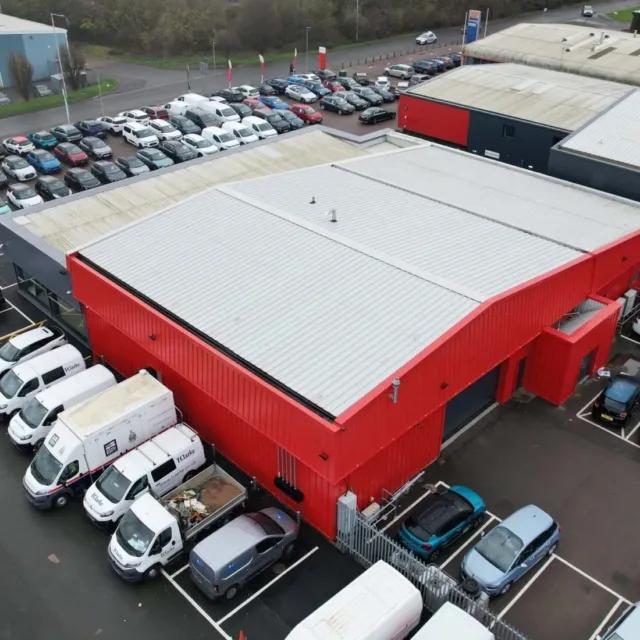


Deciding between commercial roof repair and complete replacement is a frequent challenge for UK building owners and facilities managers. The right answer depends on factors such as the extent of damage, ongoing maintenance costs, regulatory obligations, and long-term business priorities. This guide breaks down the financial, technical and compliance factors so you can make a confident decision about your property’s roof.
When Is Commercial Roof Repair the Best Option?
Many commercial roofs can be successfully repaired rather than replaced, especially when the damage is localised, the structure is otherwise sound, and costs can be kept under tight control. Repair is typically most suitable for issues like minor leaks, damaged flashing, or isolated sections affected by weather. In most cases, prompt professional intervention can restore function, prevent further degradation and extend the service life of a perfectly good roof.
Repairs make clear financial sense when the affected area is under a quarter of the total roof surface, the membrane or covering is not near the end of its intended lifespan, annual repair and maintenance costs stay below roughly 30% of the cost of a full replacement over a five year horizon, regulatory inspections are not requiring major upgrades, and both insulation and structure remain in good condition. For planned upkeep and responsive fixes, explore our roof cladding repairs and maintenance service.
For example, if a flat roof on a logistics warehouse in Norwich develops a single-leak after a storm, a localised repair can be effective at a fraction of the cost of full replacement, especially where the rest of the roof remains fit for purpose.

When Replacement Provides Superior Value
Sometimes, persistent roof issues or structural deterioration mean that repeated repairs are a false economy. Full commercial roof replacement may be the wiser investment when the same leaks or defects recur despite repeated repairs, the roof has reached or is close to its expected lifespan, over a third of the roof surface is compromised by damage or wear, the five year repair forecast approaches or exceeds the cost of replacement, or new regulations and future use require substantial upgrades to insulation, fire safety or structural performance.
Replacement also offers long-term strategic advantages. It allows businesses to improve energy efficiency (meeting modern Part L building standards), address underlying design shortcomings, and even enhance property value and marketability. If annual patching works mount up and risks of disruption grow, a new roof brings peace of mind as well as compliance.
What Drives the Cost of Repair vs Replacement in 2026?
Understanding typical costs helps to ground this decision. UK pricing for commercial roof repair and replacement varies by material, size, and location, but the following ranges are a useful guide for current budgeting:
| Roof Type | Repair Cost (per m²) | Typical Replacement Cost (per m²) | Expected Lifespan (yrs) |
| Single-Ply Membrane (e.g. TPO, PVC) | £35 – £70 | £80 – £130 | 20 – 35 |
| Modified Bitumen | £28 – £65 | £70 – £110 | 15 – 25 |
| Metal Roofing | £40 – £85 | £110 – £160 | 30 – 40 |
| Liquid Applied | £30 – £65 | £70 – £100 | 10 – 20 |
| Asbestos Cement (replacement) | N/A | £120 – £180 | 30+ |
Repairs usually involve straightforward tasks, such as patching blisters, replacing small areas of membrane, or repairing joints or flashing, with minimal interruption and a quick turnaround. Full replacement is a larger undertaking, often requiring structural assessment, removal of old material (especially for hazardous substances like asbestos), and compliance with modern standards. If you are comparing material choices for refurbishment, our metal sheet roofing supplies page outlines options for sheeted systems.
For a 500m² commercial roof in King’s Lynn, a localised repair of 50m², around ten percent, could cost around £3,000 to £4,000, while total replacement may range from £40,000 to £70,000 depending on material.
Facility managers should factor in indirect costs too, such as potential downtime if repairs are frequent, and the impact on insurance, warranties and energy bills.
UK Regulations: What You Must Consider
In the UK, every commercial roofing project, repair or replacement, must meet legal, regulatory and health and safety requirements. It’s not enough to simply patch leaks or fit like-for-like replacements.
Key regulations affecting commercial roofs include:
- Building Regulations Part L: Energy efficiency standards for roofs and insulation upgrades
- Control of Asbestos Regulations 2012: Strict rules on handling and replacing asbestos cement roofs
- CDM Regulations 2015: Health and safety standards for construction and maintenance works
- Working at Height Regulations 2005: Safe practices for all roofing activities
- Fire Safety (Part B): Ensuring materials and workmanship meet fire resistance thresholds
A full roof replacement will often trigger more rigorous compliance checks, such as improved insulation, structural upgrades, or fire safety enhancements. Major repairs that touch on insulation, waterproofing, or external appearance may also require approval from building control.
Partnering with a specialist like Docherty Roofing & Cladding Ltd ensures all legal obligations are handled for you, with full certification provided at completion. For more details, see the industrial and commercial roofing services page.
Professional Roof Inspections and Modern Diagnostic Methods
Deciding whether to repair or replace a roof depends on accurate diagnosis, not guesswork. Reliable contractors use advanced tools and methods to provide a clear assessment, including thermal imaging to detect concealed leaks and wet insulation, electronic moisture scanning to locate water ingress, drone inspections for inaccessible or large-scale roofs, and core sampling to analyse the layers and current condition of the roof build-up.
These techniques help pinpoint hidden deterioration and assess whether remedial works suffice or full replacement is unavoidable. The resulting report should include photos, measured readings, and honest recommendations.
Why Roof Age Is Only One Factor
A roof’s calendar age only tells part of the story. The actual condition, quality of installation, exposure to weather, maintenance history, and foot traffic have a much greater impact on performance and lifespan. For instance, a 10-year-old EPDM roof on a lightly used office could be in far better condition than a 15-year-old metal roof on a coastal warehouse constantly exposed to storms. Detailed inspection and performance monitoring offer more insight than simply checking the installation date.
Facility managers should prioritise evidence and performance records over assumptions based on age.
Key Indicators: When to Act
Certain warning signs indicate that repairs or replacement should not be delayed. Look out for:
- Persistent internal leaks after rainfall
- Bubbling, ponding, or visible blisters on the roof surface
- Rust or corrosion (for metal roofs)
- Sagging, unevenness, or obvious structural concerns
- Higher-than-expected energy bills (often linked to insulation issues)
For example, water ingress causing repeated ceiling stains or electrical faults is almost always a sign that urgent professional assessment is needed. Ignoring these symptoms leads to higher repair bills, interior damage, and risk of emergency closure.
Long-Term Benefits of Full Roof Replacement
Replacing a commercial roof delivers value beyond resolving immediate issues. Benefits include substantial energy savings through improved insulation and airtightness, compliance with current building codes that reduces regulatory risks, stronger manufacturer and installation warranties that can extend up to 25 years, improved property value and attractiveness to tenants or buyers, and enhanced resistance to severe weather and climate extremes.
In fast-moving sectors such as manufacturing or distribution, where operational downtime is costly, the guarantee of a new, trouble-free roof can far outweigh higher upfront costs.
How to Make an Informed Decision for Your Business
To reach the best outcome, balance cost, risk, compliance and company goals. Compare the five year cost of continued repairs, including potential downtime or damage, against the investment in replacement. Consult a reputable contractor with experience in your sector who can use advanced diagnostics and give honest advice. Factor in insurance and warranty terms, since new roofs often bring longer, more comprehensive cover. Plan disruptive works for scheduled maintenance periods to minimise operational impact, and keep detailed records of inspections, repairs and recommendations to inform future decisions.
If you manage properties such as schools, offices, warehouses, or retail parks, a timely, evidence-based decision keeps costs under control and compliance straightforward.
For tailored guidance for your building in King’s Lynn, Norwich, Peterborough, or beyond, visit Docherty Roofing & Cladding’s industrial and commercial roofing page.
Why Choosing the Right Roofing Contractor Matters
The quality of your roof repair or replacement depends on the company you work with. Look for proven experience with commercial properties, full accreditation and insurance, transparency with clear surveys, quotes and guarantees, the ability to handle regulatory compliance and documentation, and strong communication about scheduling, risks and materials. A trusted specialist will help you avoid unnecessary expense, downtime or legal problems in future.
FAQs:
Do you provide formal roof surveys and reports for commercial buildings?
Yes. Docherty Roofing & Cladding Ltd carries out structured surveys and delivers written reports with photos and recommendations. Where appropriate we include thermal imaging, moisture readings, drone imagery and core sample analysis.
Can you work around live operations to minimise disruption?
We plan programmes around your shift patterns and critical areas, phasing works and providing RAMS to meet CDM and Working at Height requirements. Out of hours working can be arranged by agreement to keep sites productive.
What warranties do you offer on new commercial roofs?
Manufacturer backed system warranties are available, typically up to 25 years depending on the specification, installation and maintenance regime. We confirm warranty terms in writing with every quote.
Do you handle asbestos cement roof replacement and compliance?
Yes. Our team is licensed for asbestos handling. We manage surveys, notification, safe removal and disposal in line with the Control of Asbestos Regulations 2012, and supply all certification at completion.
Which areas do you cover?
We serve King’s Lynn, Norwich and Peterborough, and deliver projects across East Anglia and the wider UK by agreement. Speak to our team to confirm availability for your site.