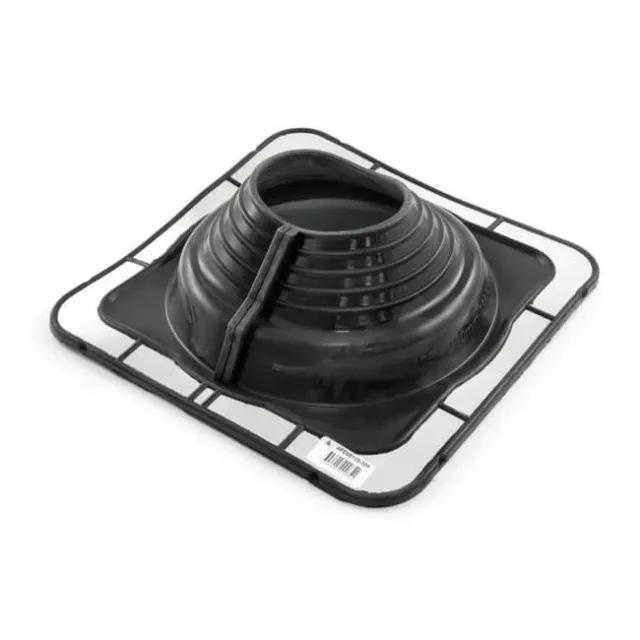


Dektite flashings are suitable for both insulated roof panels and metal roofing when installed correctly and with the recommended materials. Their flexible design, range of durable compounds and secure base help achieve a watertight seal around roof penetrations, whether dealing with a standard corrugated sheet, composite insulated panel, or standing seam roof. The following sections explain what makes Dektite the right choice for these applications, highlight practical installation steps, address common pitfalls, and give guidance shaped by proven expertise.
Why Dektite Flashings Work on Insulated Roof Panels and Metal Roofing
Dektite flashings have become the industry standard for sealing around pipes, flues, and cable penetrations on a wide range of roof types. Their main advantage lies in their compatibility with modern roofing construction, including both traditional metal sheets and insulated composite panels. The base of each Dektite, flexible aluminium bonded to high-performance EPDM rubber or silicone, moulds easily to the roof’s contours and creates a tight, durable seal.
The flexibility and resistance of EPDM and silicone to temperature extremes and UV exposure make these materials especially useful on the exposed, sometimes awkward transitions found with metal or insulated panels. This ensures the Dektite maintains integrity for years, even as the building experiences thermal expansion or contraction.

Main Benefits of Using Dektite Flashings on Metal and Insulated Roof Systems
Correctly installed Dektite flashings deliver several advantages on both panel types:
- Watertight Seal: Prevents leaks where pipes or cables penetrate, reducing the risk of water damage within the structure or insulation.
- Adaptability: The square base with a flexible aluminium edge can be formed to a wide range of profiles, from trapezoidal metal sheets to the ribbed or flat surfaces found on insulated roof panels.
- Durability: EPDM and silicone withstand high and low temperatures, UV rays, and other harsh weather conditions, keeping maintenance needs low.
- Ease of Installation: Simple to cut and shape; fitting can be completed with basic roofing tools, making them accessible to both professionals and competent DIY users.
- Compatibility: Suitable for both hot and cold flues, as well as general service pipes, thanks to the thermal tolerance of Dektite materials.
Special Considerations for Insulated Roof Panels
Insulated panels, common in commercial and industrial buildings, usually consist of a core, often PIR, PUR, or mineral wool insulation, sandwiched between metal skins. These assemblies require careful handling of penetrations, as the risk of condensation and cold bridging is higher than with single-skin metal roofing.
When installing Dektite flashings on insulated roof panels, maintain vapour control by installing a compatible vapour barrier and ensuring the flashing sits over both the outer skin and any membrane layers. Use the correct sealants specified for insulated panels so joints stay flexible, weatherproof, and do not degrade insulation or metal facings. Prevent compression by avoiding over-tightening of fasteners, which can crush insulation and compromise both water tightness and thermal performance. Where more than one penetration is needed, offset joints so the roof is not weakened in one concentrated area.
Preparation Steps Before Fitting Dektite Flashings
A sound installation starts well before the sealant is applied. Begin by measuring and marking the correct position for the pipe or cable, leaving adequate distance from panel edges and joints. Use the recommended hole saw or cutter to make a clean, accurate opening through the metal skin and insulation below. Clear away insulation only as much as is needed for a snug fit to preserve the continuity of the insulated layer. Finally, check for any trapped objects or moisture in the penetration zone that could affect the seal or insulation.
Safety matters, metal and composite panels have sharp edges when cut, so always use gloves and eye protection. Where working at height on large panel roofs, employ fall arrest equipment as required by site risk assessment.
Installation Guide: Fitting Dektite Flashings to Insulated and Metal Roofs
- Cut the Dektite Base: Select a Dektite size that will fit tightly around your pipe or flue; trim the opening if necessary using a sharp utility knife or shears.
- Prepare the Roof Opening: Ensure the hole is smooth and clear. For insulated roofs, double-check the fit through the insulation and metal layers.
- Apply Sealant: Run a generous, continuous bead of high-quality, compatible roofing sealant to the underside of the Dektite’s base, especially along the flexible aluminium edge.
- Position and Mould: Push the Dektite over the pipe, then carefully form the base to the roof profile. Press down to ensure full contact with all surface areas.
- Fixing in Place: Secure using appropriate roofing screws with neoprene washers from the Fixings & Accessories range, spaced evenly around the base, to prevent movement and ensure a lasting seal. For insulated panels, do not overtighten.
- Final Seal: Smooth any excess sealant along the edges for extra weatherproofing and inspect closely for gaps. For high-risk areas or particularly challenging profiles, a second sealant check is recommended after a day.
Avoiding Common Mistakes When Installing on Insulated and Metal Roofs
Do not rush the prep, since skipping cleaning or rough positioning often results in leaks or an uneven finish. Avoid the wrong sealant, as some mastics or silicones are incompatible with either EPDM, insulation, or metal finishes. Allow for movement, because rigid fixings or no expansion allowance can lead to cracking during temperature swings. Prevent over-compression of insulation by tightening fixings only to a firm, not crushing, contact. Finally, align the flashing carefully so the base fully conforms to the roof surface, because even small gaps can compromise the seal.
Aftercare, Maintenance, and Longevity
Once installed, Dektite flashings need minimal maintenance, but periodic inspections of all roof penetrations are good practice, at least annually, or after severe weather. Look for discolouration or cracking that may signal UV or weathering issues. Check fixings and sealant so screws or washers have not worked loose and reseal where material has dried or pulled away. Keep the area clean by removing leaves, moss, or debris that could hold moisture or block drainage.
Proper installation and simple aftercare maximise the lifespan of both the flashing and the roof system. For specific advice on best practice or to source the appropriate type of Dektite for your project, you can explore the full range of Dektite flashings suitable for metal roofs and insulated roof panels from Docherty Roofing & Cladding Ltd.
The Importance of Expert Product Matching
Selecting the correct Dektite model is crucial. For high-temperature flues, use silicone-based flashings; for general service pipes, black EPDM options are ideal. Always match the base size and flexibility to the precise roof profile and pipe diameter on your project. If in doubt, consult the specification charts or request guidance from suppliers who understand the nuances of both insulated panels and advanced metal roofing types.
For a closer look at specifications, application guides, or to find the right Dektite for your roof, visit Docherty Roofing & Cladding Ltd’s dedicated Dektite flashings range and explore options built for demanding UK conditions. You can also browse all product categories on the Shop by Category page.
FAQs:
Do you stock both EPDM and silicone Dektite flashings?
Yes. We supply EPDM options for general service pipes and high-temperature silicone flashings for hot flues, so you can match material to temperature and application.
Can you help me size a Dektite for insulated roof panels or a standing seam roof?
Absolutely. Share the pipe diameter, roof profile, and pitch, and our team will recommend the right model and base size to achieve a reliable seal on composite or profiled metal skins.
Do you also supply compatible fixings and roofing sealants for installing Dektites?
Yes. We stock fixings, washers and roofing sealants selected for metal and composite panel work, so you can source everything needed for a compliant installation.
Do you sell to both trade and DIY customers?
We do. Our range supports commercial projects and competent DIY users alike, with straightforward installation and guidance available if you need it.
How do I order or discuss a bespoke requirement?
Order online via our shop. For bespoke flashings or specialist advice, email fabs@dracltd.co.uk and we will assist with specifications and options.